In Sophomore by Veronica Peters, the murder investigation unfolds within a rural 1949 community where familiarity defines safety. Most families have known one another for years. They share church pews, farming equipment, and school events. In such a tightly bound environment, the unfamiliar stands out. When tragedy strikes, that unfamiliar presence can quickly become a target.
Fear of the outsider is not always loud or overt. Often it begins as quiet suspicion. A person who speaks with a different accent, comes from another country, or does not share the same history as the majority can seem harder to read. In moments of collective shock, the human instinct is to search for explanations that restore a sense of order. Blaming someone perceived as different can feel like a way to regain control.
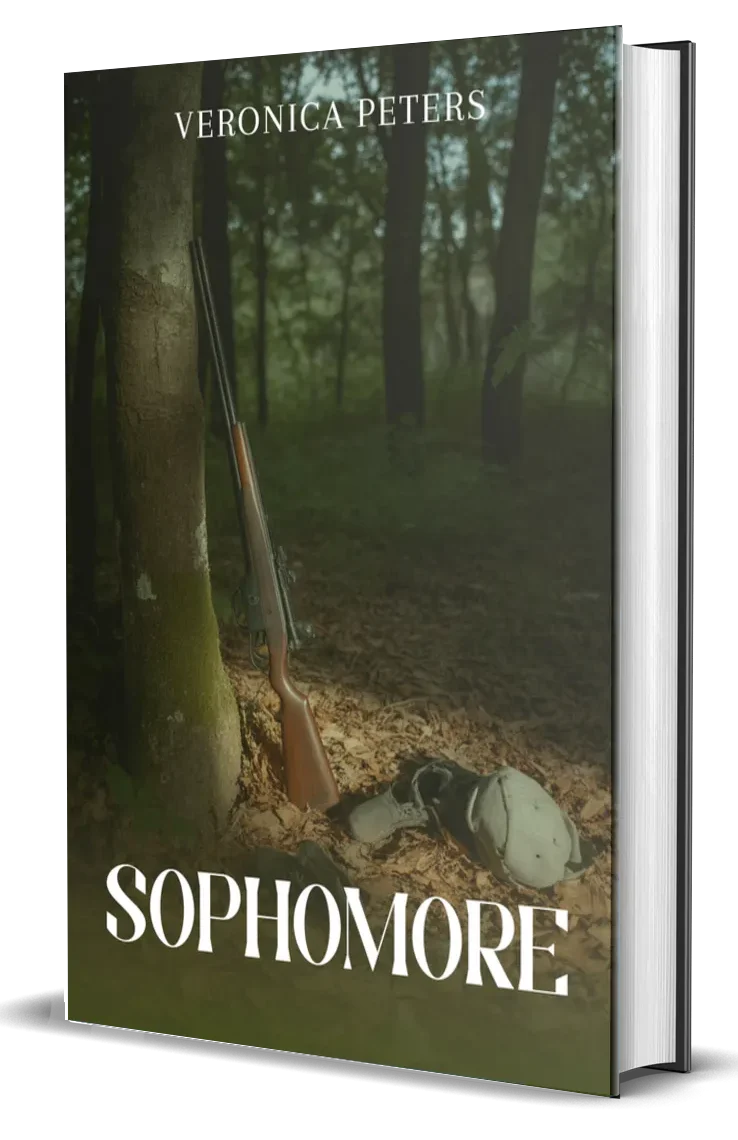
Veronica Peters explores this dynamic with subtlety. When the investigation begins, attention does not remain confined to those with clear evidence against them. It drifts toward individuals who already occupy a fragile place within the social hierarchy. An immigrant worker, for example, becomes vulnerable not because of concrete proof, but because he exists slightly outside the familiar web of relationships that define the town.
In early investigations, bias can shape the direction of inquiry long before facts are fully gathered. Assumptions influence which questions are asked and which are overlooked. A raised voice may be interpreted as aggression rather than fear. Nervousness may be mistaken for guilt rather than anxiety. When difference is equated with danger, objectivity becomes harder to maintain.
The novel highlights how quickly rumors attach themselves to those perceived as outsiders. Conversations in kitchens and on porches amplify uncertainty. A single comment about someone’s background can evolve into a narrative of suspicion. In a small community, such narratives travel fast and linger long.
At the same time, Sophomore does not present bias as limited to a single character or institution. It shows how fear can ripple through an entire social structure. Parents worry about their children’s safety. Neighbors look for reassurance. In the absence of clear answers, the outsider becomes a convenient focus for collective anxiety.
This dynamic carries emotional weight. For individuals already navigating life in a new country or culture, being viewed with suspicion reinforces their sense of vulnerability. The promise of opportunity and belonging becomes complicated by the realization that acceptance can be conditional.
What makes the novel especially compelling is its portrayal of law enforcement striving to balance pressure with fairness. The sheriff faces the challenge of conducting a thorough investigation without allowing community bias to dictate conclusions. In a time before modern forensic tools, evidence depends heavily on observation and testimony. That reliance on human judgment increases the risk that prejudice might influence outcomes.
Readers of historical crime fiction will recognize this tension as both authentic and unsettling. The late 1940s were marked by social change, lingering wartime anxieties, and shifting demographics. In such a climate, suspicion of outsiders was not uncommon. By situating the investigation within this context, Veronica Peters adds depth to the mystery and invites reflection on how fear shapes perception.
Ultimately, Sophomore reminds readers that justice requires discipline not only in gathering evidence but in confronting personal bias. Fear of the outsider may offer a quick explanation, but it rarely delivers truth.
Through its layered characters and careful attention to social dynamics, Sophomore presents a crime story that extends beyond the question of who committed the act. It asks how communities respond under pressure and whether fairness can prevail when difference becomes a source of unease.
For readers drawn to historical mysteries with emotional and social complexity, this exploration of bias adds a powerful dimension to an already gripping narrative.
Get Your Copy On Amazon: https://www.amazon.com/dp/1971950025/.